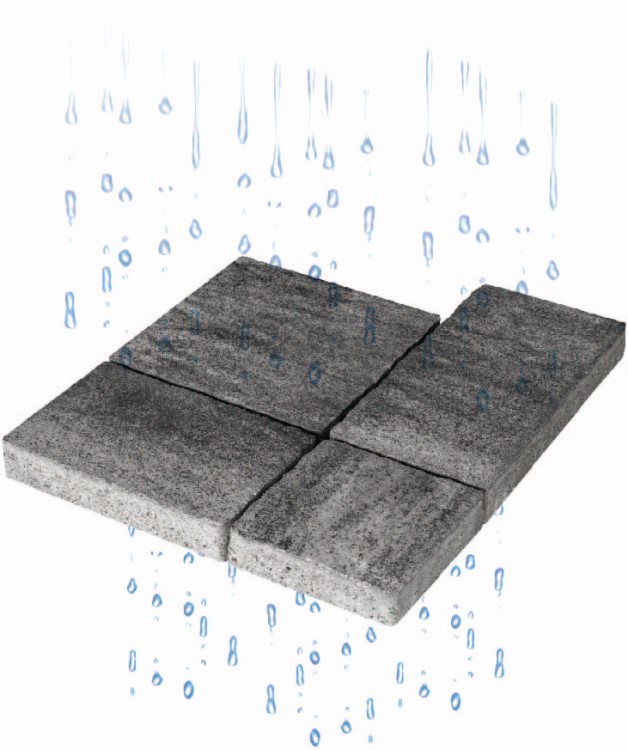
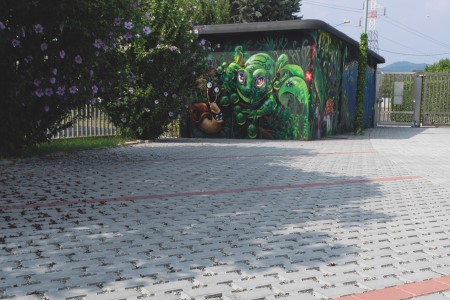
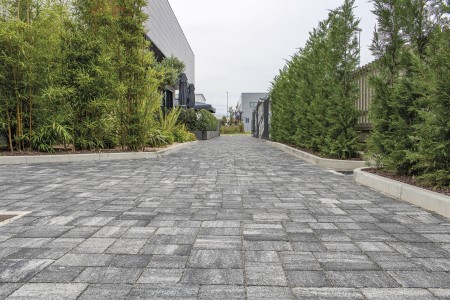
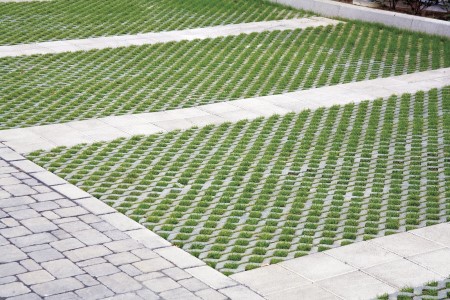
Permeable pavements help restore a natural hydrologic balance and reduce runoff volume by trapping and slowly releasing precipitation into the ground instead of allowing it to runoff into storm drains and receiving waters as effluent.
Permeable pavement can reduce the concentration of some pollutants either physically (by trapping them in the pavement or soil), chemically (bacteria and other microbes can break down and use some pollutants), or biologically (plants growing between some types of BAGGAGE pavements can trap and store pollutants).
By slowing down the process, permeable pavements can cool the temperature of the urban environment, reducing the stress and impact on the environment of waterways or lakes.
By controlling runoff at the source, permeable pavement can also reduce the need for or required size of storage systems such as lamination ponds, expansion basins, and dispersal ditches.
ENVIRONMENTAL WELL-BEING
- Summer ambient heat mitigation effect
- Makes rainwater available for plant maintenance
IMPROVED STORMWATER MANAGEMENT
- Groundwater maintenance
- Ensures the improvement of the environment in relation to the water cycle
- Reduces runoff to streams (resulting in less susceptibility of streams to flood phenomena);
LOWER COSTS OF MANAGING DRAINAGE NETWORKS
- Reduces the conveyance of dirt and foliage into storm drains (which cause flooding);
- Reduces sewer overloads, particularly during storm events;
- It reduces the load at treatment stations where they convey sewage systems, resulting in an increase in their performance.
COMFORT AND SAFETY FOR PEOPLE
- Virtual absence of puddles
- Road Safety (no aquaplaning)
FILTRATION OF SURFACE POLLUTANTS AND PROTECTION OF GROUNDWATER